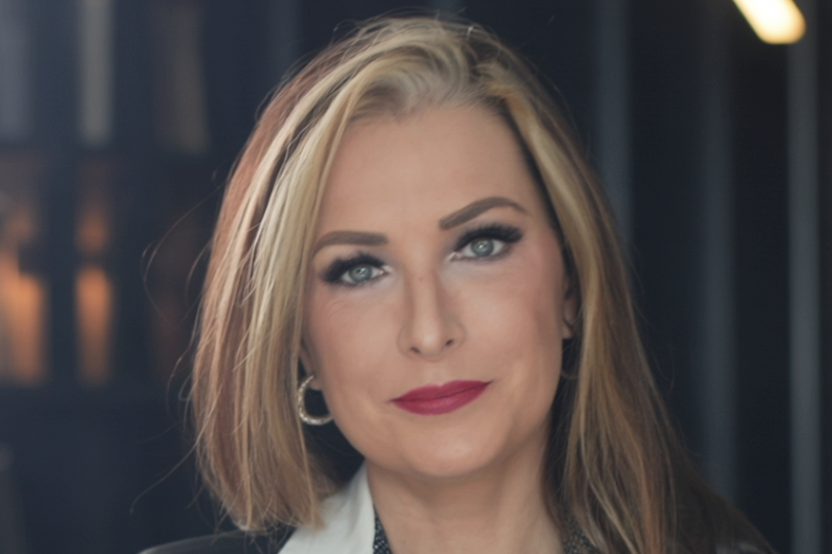
Page Durham
Chief Academic Officer
Higher education is at a crossroads. Students are asking for faster, more affordable pathways. Institutions are wrestling with shrinking budgets, retention challenges, and outdated systems. Faculty are stretched thinner than ever.
It’s time for a new way forward.
That’s why I joined Classfindr as Chief Academic Officer.
We’re not just building a platform.
We’re building a future where:
 Students graduate on time (and with fewer lost credits).
 Institutions maximize resources instead of canceling courses.
 Faculty are supported with data-driven tools that honor academic quality.
I’ve spent my career reinventing myself — from music classrooms to instructional design, from TEDx stages to AI strategy. And now, I get to channel all of that into shaping what’s next for higher ed.
Because the future of education isn’t about replacing people with technology. It’s about AI-assisted, human-driven innovation that puts students at the center. This is just the beginning. And I couldn’t be more energized to help lead the change.
Why Transfer Credits Really Matter to College Students
Page Durham
Chief Academic Officer
One of the hats I currently wear is supporting work in the transfer credit space through my role with ClassFindr.
Transfer credit decisions can quietly shape a student’s entire academic path. Too often, students are told that it won’t count for transfer without being shown what still could. Or finding a course that would allow them to complete a degree in a short time frame.
Classfindr helps change that conversation by giving students options. Instead of a single yes or no, it surfaces multiple institutions where prior learning may count, helping students see viable pathways forward rather than dead ends.
That matters because choice restores agency. When students understand their options, they can make informed decisions that save time, money, and momentum.
This is one piece of the broader work I care about in higher education. Making systems clearer, fairer, and more human for the students navigating them.
What Course Cancellations Feel Like to Students
Page Durham
Chief Academic Officer
For institutions, a canceled class is a line-item adjustment.
To students, it feels very different.
A delayed graduation.
A broken plan.
A sudden scramble for alternatives that may not exist.
Most students are not upset that enrollment was low. Instead, they are frustrated by how late they learn and how few options they are given when it happens.
When a required or high-impact course disappears, students need clarity fast. What still counts? What other paths exist? What choices keep them moving forward?
When institutions cannot answer those questions clearly, students pay the price in time, money, and stress.
Visibility into options matters most at moments of disruption. In times of uncertainty, college and universities need to focus on filling course seats. Meanwhile, students need to have real-time visibility into what course options they have, so they can graduate on time.